
Blog
RRMSH
July 23, 2026
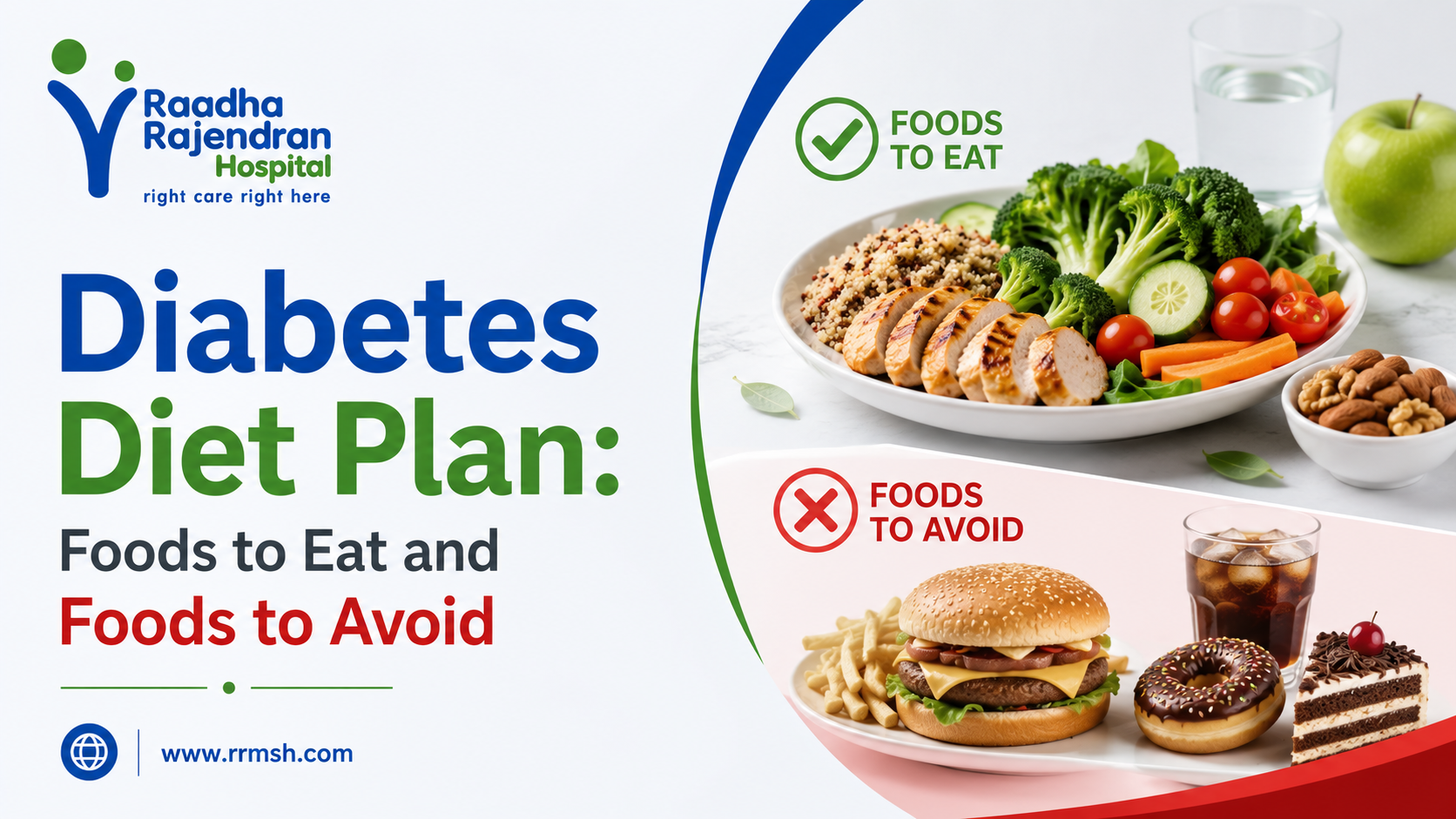
Diabetes Diet Plan: Foods to Eat and Foods to Avoid
Managing your health starts with the food you eat. If you have blood sugar you can feel confused about what to eat. Managing your blood sugar levels is important. The food on your plate plays a role in it. You need to make food choices. High blood sugar can be tricky to handle.
At Radha Rajendran, we believe that proper care begins with clear facts. You don’t starve your body by following a good diabetes diet plan. You choose foods that don’t swing your energy level.
Eating well is a major part of diabetes care. Figuring out how foods affect you and your body can make your health easier to manage. Let’s explore how to build a healthy diabetes diet plan that works for you.
The Basics of Blood Sugar Control
To take care of your health you need to understand how the food you eat becomes energy for your body. Every single thing you eat is changed into glucose. The body utilizes this sugar to give energy all day long.
In a diabetic, the body has problems transporting sugar from blood to the cells so sugar remains in blood. Managing blood sugar level is one of the main factors of a diabetic meal plan.
Eat foods which digest slowly to keep glucose levels steady. The slower release of sugar keeps the levels of your tests from going up too fast. Having a good eating routine and diabetes diet plan also helps you to be more active and helps you to maintain a good mood.
Foods to Eat For Diabetes Care
You should try eating mostly fresh, unprocessed foods when making your daily meals so that the nutrients you get come with minimal alterations to your blood level.
1. Low-Starch Vegetables
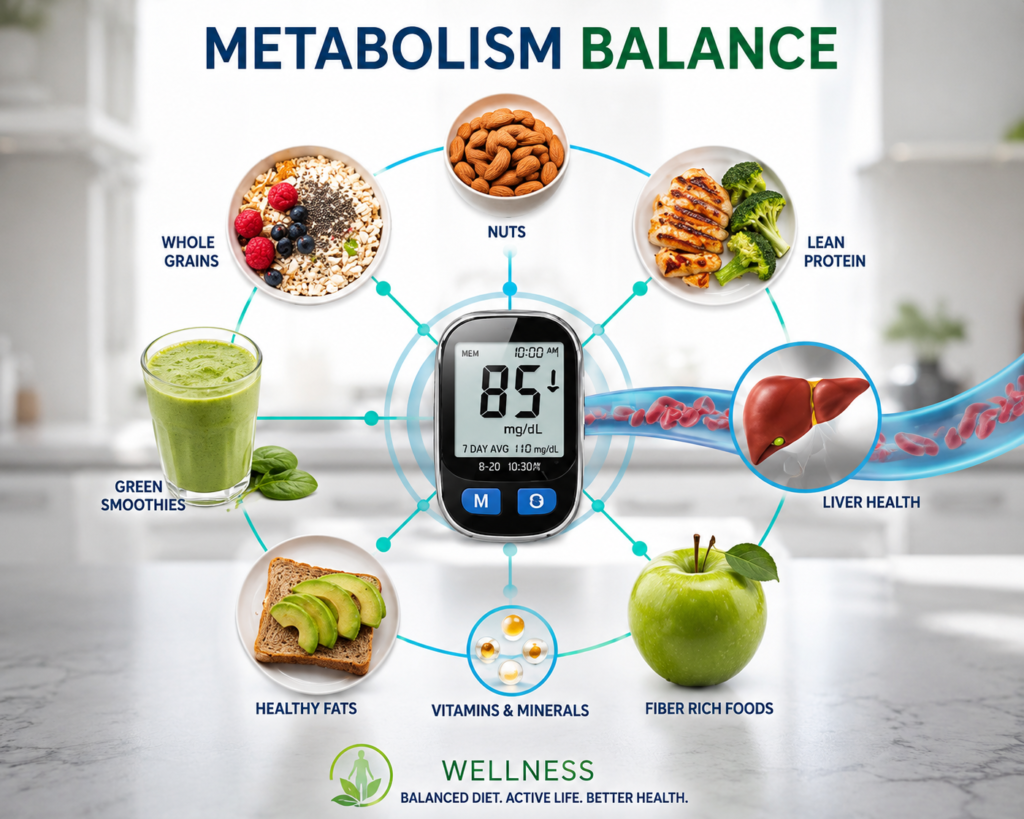
Vegetables are great for a diet. Leafy vegetables are really good for you because they have a lot of fibre and not many calories. Fibre helps slow down how fast your body absorbs sugar. For the part of your meal try having something, like:
- Spinach, kale, and cabbage
- Cucumbers and fresh tomatoes
2. Whole Grains
White rice and white bread are quick to spike your sugar levels. Choose whole grains instead. They’re whole, keep their fiber, and are good for you. Good options include:
- Brown rice or red rice
- Oats and broken wheat
- Whole wheat flour
- Local millets like ragi
3. Lean Proteins
Protein builds muscle and keeps you full. It does not raise your blood sugar the way carbs do. Good sources of clean protein include:
- Skinless chicken and fresh fish
- Lentils, beans, and sprouts
- Paneer or tofu
4. Healthy Fats
Your body needs fat to absorb vitamins. You must choose the right kind of fat to protect your heart. Heart health is a vital part of comprehensive diabetes care. Focus on:
- Nuts like almonds and walnuts
- Seeds like chia and flax
- Small amounts of olive oil
Foods to Avoid: The Red Light List
Some foods cause your blood sugar to rise too fast. Eating these items makes it hard to maintain good blood sugar control. Limit these diabetic foods to protect your health.
1. Sugary Drinks
Drinks with added sugar are the fastest way to spike your blood levels. They contain no fiber, so sugar enters your blood instantly. Stay away from:
- Sodas and sweet soft drinks
- Packaged fruit juices
- Sweet tea and sweet coffee
2. Processed Carbs
Processed carbohydrates have had all their fiber stripped away. They digest fast and act just like pure sugar in your body. Avoid these items:
- White bread and refined flour
- White pasta and store pizzas
- Bakery items like cakes and biscuits
3. Fried Foods
Fried foods are packed with unhealthy fats and extra calories. They cause weight gain, making it harder for your body to use insulin. Limit your intake of:
- French fries and potato chips
- Deep-fried snacks like samosas
- Packaged snacks with long shelf lives
Designing Your Daily Meal Plan
So you want to know what to eat. The first thing you need to do is figure out what food is good for you. A balanced meal plan is what you need to get the mix of nutrients every time you eat.
A simple way to manage how food you eat is the plate method. You can use a nine-inch plate for your lunch or dinner. Fill half the plate with vegetables that’re low in starch, have protein like chicken or lentils.
Eating meals at that time every day is also a good idea. If you wait long to eat your blood sugar can get too low. The key to a diabetes diet is to be consistent with your meals and your diabetes diet. You have to stick to your diabetes diet to see change and that is why consistency is so important for your diabetes diet.
Conclusion: Why Expert Guidance Matters
Every person is unique. A food that is good for one person may cause an increase in sugar levels in another person. Your age, how much you move each day and your medical history all play a role in how your body responds to the food you eat. Making a few minor yet long lasting dietary adjustments with diabetes care are most effective.
Your health is your responsibility and eating the right foods is a top step that should be taken. The benefits include having enough energy to be able to enjoy life and also you remain fully in control.
 Visit RRMSH today and take the first step toward better health and wellness.
FAQs:
There's no doubt that fruits are nutritious. The problem is when they are consumed in large quantities because it can result in blood sugar spikes. It is better for a diabetic to focus only on low glycemic fruits and to have no more than the recommended portion of 150g at a time. You may not know this but it happens more often when the patient takes medications such as long-acting insulin or sulphonylureas that increase the risk of hypoglycemia.
Snacks for people with diabetes should have a lot of protein and fibre. You can have some almonds or a bowl of cooked sprouts or a boiled egg. Diabetic snacks like these will not make your blood sugar go up. They will fill you up.
The effect of exercise is that your muscles take up the sugar in your blood and turn it into energy. During physical activity like walking and swimming your cells become more receptive to the usage of insulin. Getting into a routine of regular physical activity and maintaining a healthy diet goes with the health management of your diabetics.
No, expensive diabetes foods are not a necessity for a good diabetes meal plan. You can manage diabetes very well using the everyday ingredients that people in your area commonly use. Go for the freshest vegetables, lentils, and lean proteins as the main ingredients for your meals, which you can buy from the local market place.
When people with diabetes are really stressed out their body starts releasing hormones. These stress hormones make people's blood sugar levels go up. Stress is also bad for people with diabetes because it can make them eat too much or stop exercising. Diabetic people need to watch out for stress and diabetic snacks can help. Thus, taking care of the health aspects through deep breathing and sound sleep are not just recommended but very important parts of full-fledged diabetes care.